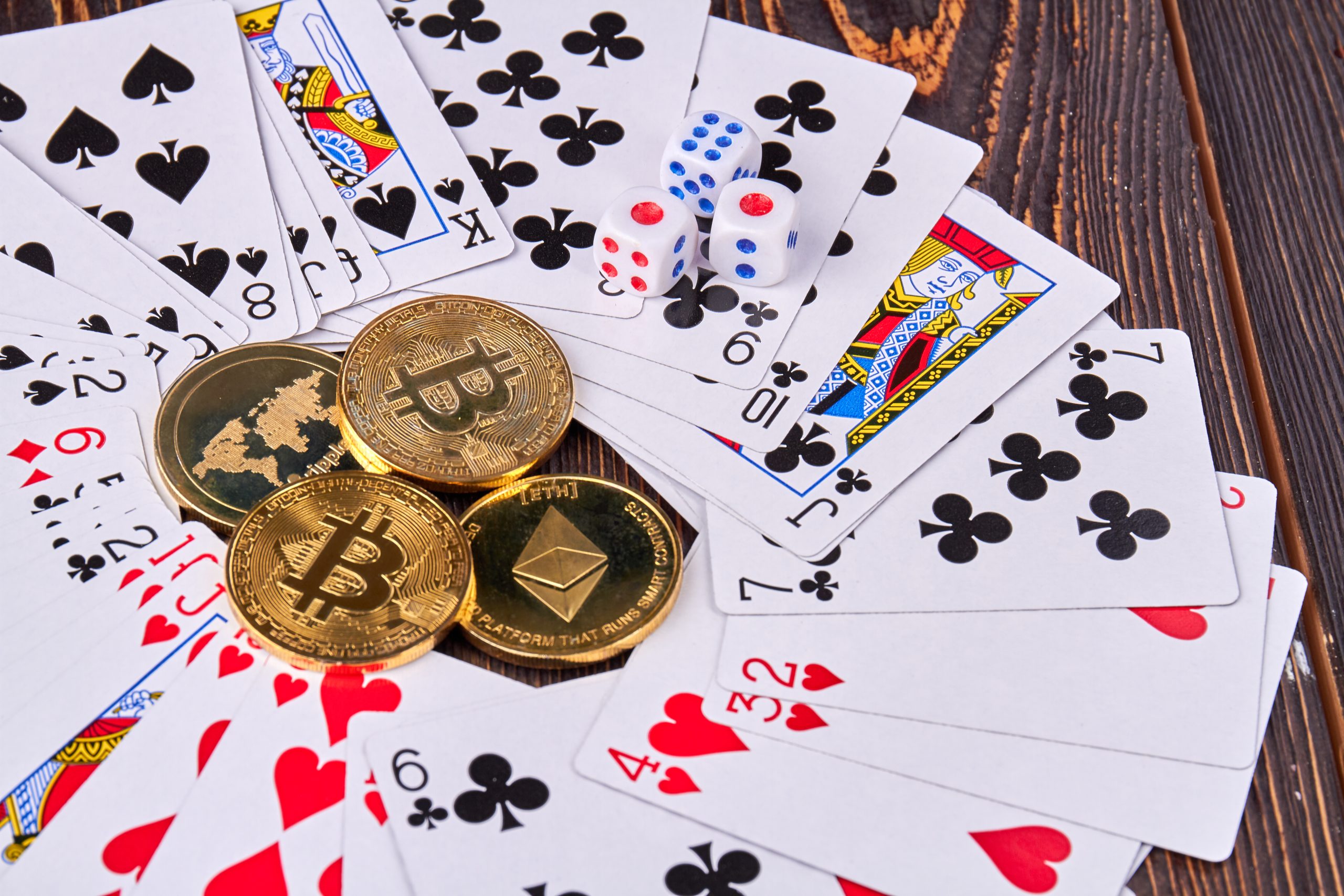
If you spent any time in the Counter-Strike: Global Offensive (CS:GO) community over the last decade, you likely witnessed one of the most unique and controversial phenomena in gaming history: the CS:GO casino and skin gambling boom.
What started as a simple player-to-player trading system for virtual weapon finishes (skins) snowballed into a billion-dollar unregulated gambling industry. It involved teenagers, professional players, high-profile streamers, and eventually, the heavy hand of Valve and government regulators.
With CS:GO now officially transitioned into Counter-Strike 2 (CS2), let’s take a look back at how the CS:GO casino culture shaped the gaming world—and where it stands today.
The Genesis: How Skins Became Currency
When Valve introduced “skins” in the 2013 Arms Deal update, they probably didn’t anticipate creating a virtual Wall Street. Originally meant to add cosmetic flair and reward gameplay, these weapon finishes quickly acquired real-world monetary value.
Because skins could be traded on the Steam Community Market or via third-party peer-to-peer sites, they effectively became digital currency. Rare items, like the coveted AWP | Dragon Lore or factory-new Knives, began selling for hundreds—and eventually thousands—of dollars.
Once virtual items held real-world value, the leap to gambling was inevitable.
The Wild West: The Golden Age of CS:GO Gambling
By 2015 and 2016, third-party gambling websites had flooded the internet. These sites operated outside of Valve’s ecosystem by using Steam API integration, allowing players to log in with their Steam accounts and deposit their virtual skins.
Suddenly, a massive variety of CS:GO casinos emerged, offering games like:
- Jackpot Sites: Players threw their skins into a communal pot. A spinner picked a winner based on the percentage of the total pot value they contributed.
- Roulette & Coin Flip: Classic casino games adapted for virtual weapon skins.
- Crash: A multiplier ticked upward, and players had to cash out before the multiplier “crashed” and they lost their skins.
This era was characterized by a distinct lack of regulation. There were no age verifications, no KYC (Know Your Customer) checks, and very little transparency. Millions of dollars in skins changed hands daily, often by underage players who used their parents’ credit cards to buy cheap skins on the Steam Market just to gamble them away on external sites.
The Reckoning: Scandals and Valve’s Crackdown
The bubble eventually burst, and it did so spectacularly.
In mid-2016, a major scandal broke involving popular YouTubers TmarTn and Syndicate. It was revealed that they owned CSGO Lotto, one of the largest gambling sites on the market, while promoting it to their millions of young subscribers without disclosing their ownership—effectively rigging bets and manufacturing massive wins for the camera.
Class-action lawsuits followed, and the mainstream media picked up the story. Governments began taking notice of unregulated gambling accessible to minors.
Feeling the heat, Valve stepped in. They issued massive cease-and-desist letters to dozens of third-party gambling sites, blocking their automated bots from accessing Steam accounts. For a moment, it seemed like the CS:GO casino scene was dead.
Adaptation and the Underground Market
As the old saying goes, where there’s a will, there’s a way.
While Valve effectively killed the blatant integration of Steam inventory for direct gambling, the industry simply adapted. Sites pivoted to using cryptocurrencies or peer-to-peer cash trading systems. Players would sell their skins for crypto or fiat currency on third-party marketplaces, deposit those funds into a crypto-casino, and gamble there instead.
Today, despite Valve’s ongoing efforts to ban gambling-associated Steam accounts, a massive ecosystem of CS:GO/CS2 betting and casino sites still exists. Many of these sites sponsor top-tier esports teams, tournament broadcasts, and content creators, keeping the symbiotic (and controversial) relationship between competitive gaming and gambling alive.
The Legacy of CS:GO Casinos
The legacy of the CS:GO casino era is complicated:
- Economic Impact: It undoubtedly drove up the value and popularity of CS:GO skins, turning the game into a financial asset as much as a tactical shooter.
- Regulatory Awareness: It served as a massive wake-up call for the video game industry regarding loot boxes, skin trading, and unregulated gambling, leading to stricter laws in several countries regarding minors and digital monetization.
- Esports Integrity: It created conflicts of interest, with some professional players and teams heavily backed by gambling sponsors, raising questions about match-fixing and the integrity of the game.
Final Thoughts
The era of the CS:GO casino was a wild ride of unprecedented digital economics, massive scandals, and regulatory battles. While Counter-Strike 2 has ushered in a new era for the franchise, the allure of striking it rich with a rare knife drop or a successful roulette spin remains deeply embedded in the community’s culture.
Whether you view it as a fascinating economic experiment or a predatory hazard, one thing is certain: virtual skin gambling forever changed the landscape of modern gaming.
Disclaimer: Gambling carries inherent financial risks and can be addictive. Always play responsibly and within your legal jurisdiction.
Explore CSGO Skins on cs2skin.com, with prices, market insights, and detailed guides to help you discover your next favorite CS2 item.